


Polydactyly
Extra digits; Supernumerary digitsPolydactyly is a condition in which a person has more than 5 fingers per hand or 5 toes per foot.
Considerations
Having extra fingers or toes (6 or more) can occur on its own. There may not be any other symptoms or disease present. Polydactyly may be passed down in families. This trait involves only one gene that can cause several variations.
African Americans, more than other ethnic groups, can inherit a 6th finger. In most cases, this is not caused by a genetic disease.
Polydactyly can also occur with some genetic diseases.
Extra digits may be poorly developed and attached by a small stalk. This most often occurs on the little finger side of the hand. Poorly formed digits are usually removed. Simply tying a tight string around the stalk can cause it to fall off in time if there are no bones in the digit.
In some cases, the extra digits may be well-formed and can even function.
Larger digits may need surgery to be removed.
Causes
Causes may include:
- Asphyxiating thoracic dystrophy
- Carpenter syndrome
- Ellis-van Creveld syndrome (chondroectodermal dysplasia)
Ellis-van Creveld syndrome
Ellis-van Creveld syndrome is a rare genetic disorder that affects bone growth.
 ImageRead Article Now Book Mark Article
 - Familial polydactyly
- Laurence-Moon-Biedl syndrome
- Rubinstein-Taybi syndrome
Rubinstein-Taybi syndrome
Rubinstein-Taybi syndrome (RTS) is a genetic disease. It involves broad thumbs and toes, short stature, distinctive facial features, and varying deg...
Read Article Now Book Mark Article - Smith-Lemli-Opitz syndrome
- Trisomy 13
Trisomy 13
Trisomy 13 (also called Patau syndrome) is a genetic disorder in which a person has 3 copies of genetic material from chromosome 13, instead of the u...
ImageRead Article Now Book Mark Article
Home Care
You may need to take steps at home after surgery to remove an extra digit. These steps may include checking the area to make sure the area is healing and changing the dressing.
When to Contact a Medical Professional
Most of the time, this condition is discovered at birth when the baby is still in the hospital.
What to Expect at Your Office Visit
The health care provider will diagnose the condition based on a family history, medical history, and a physical exam.
Physical exam
During a physical examination, a health care provider checks your body to determine if you do or do not have a physical problem. A physical examinati...

Medical history questions may include:
- Have any other family members been born with extra fingers or toes?
- Is there a known family history of any of the disorders linked to polydactyly?
- Are there any other symptoms or problems?
Tests used to diagnose the condition:
- Chromosome studies
Chromosome studies
Karyotyping is a test to examine chromosomes in a sample of cells. This test can help identify genetic problems as the cause of a disorder or diseas...
 ImageRead Article Now Book Mark Article
 - Enzyme tests
Enzyme
Enzymes are complex proteins that cause a specific chemical change. For example, they can help break down the foods we eat so the body can use them....
Read Article Now Book Mark Article - X-rays
- Metabolic studies
You may want to make a note of this condition in your personal medical record.
Extra digits may be discovered after the first 3 months of pregnancy with ultrasound or a more advanced test called embryofetoscopy.
References
Carrigan RB. The upper limb. In: Kliegman RM, St. Geme JW, Blum NJ, et al, eds. Nelson Textbook of Pediatrics. 22nd ed. Philadelphia, PA: Elsevier; 2025:chap 722.
Mauck BM. Congenital anomalies of the hand. In: Azar FM, Beaty JH, eds. Campbell's Operative Orthopaedics. 14th ed. Philadelphia, PA: Elsevier; 2021:chap 80.
Son-Hing JP, Hardesty CK. Congenital abnormalities of the upper and lower extremities and spine. In: Martin RJ, Fanaroff AA, eds. Fanaroff and Martin's Neonatal-Perinatal Medicine. 12th ed. Philadelphia, PA: Elsevier; 2025:chap 103.
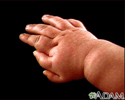
Polydactyly - an infant's hand - illustration
Extra digits may be present as an isolated finding, or they may occur as part of a syndrome, in which case other abnormalities are usually present.
Polydactyly - an infant's hand
illustration
Review Date: 10/1/2025
Reviewed By: Charles I. Schwartz, MD, FAAP, Clinical Assistant Professor of Pediatrics, Regional Medical Director of Penn Medicine Primary and Specialty Care, Perelman School of Medicine at the University of Pennsylvania, General Pediatrician at PennCare for Kids, Phoenixville, PA. Also reviewed by David C. Dugdale, MD, Medical Director, Brenda Conaway, Editorial Director, and the A.D.A.M. Editorial team.
© 1997- A.D.A.M., a business unit of Ebix, Inc. Any duplication or distribution of the information contained herein is strictly prohibited.
 All rights reserved.